
Classic cartoon shorts
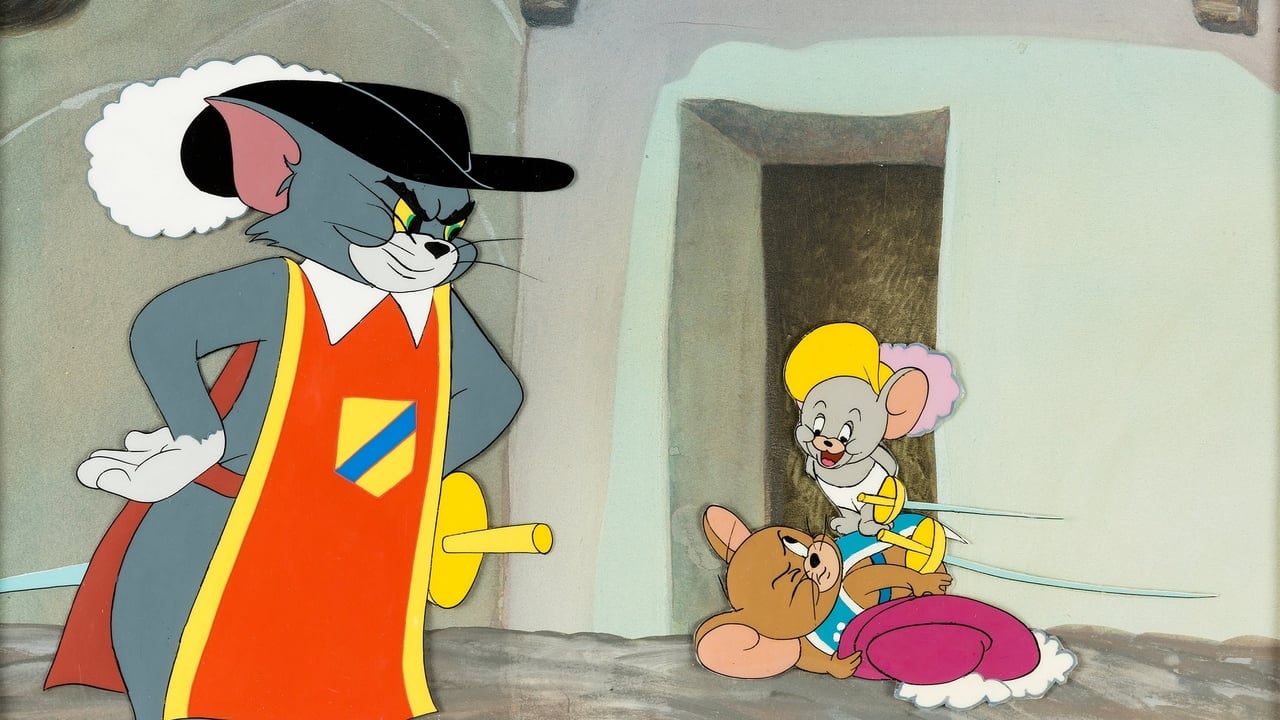
Touché, Pussy Cat!
A young mouse arrives at the Parisian headquarters of the King's Mouseketeers with a letter from his father, François Mouse, asking Jerry to teach the lad to be a Mouseketeer. Lessons…
AnimeKhor: the classic cartoon shorts of the studio era, 1928 to 1969, and where to watch them
254 theatrical cartoons from the golden age of the studios: Mickey Mouse, Donald Duck, Goofy, Pluto and Chip 'n' Dale, Tom and Jerry, Droopy, Bugs Bunny, Daffy Duck, Sylvester, the Road Runner, Superman and Popeye. Search a title and press Watch now.
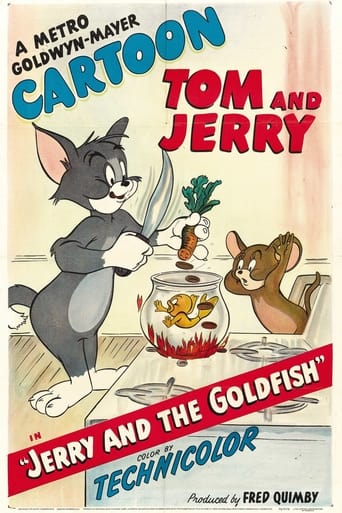
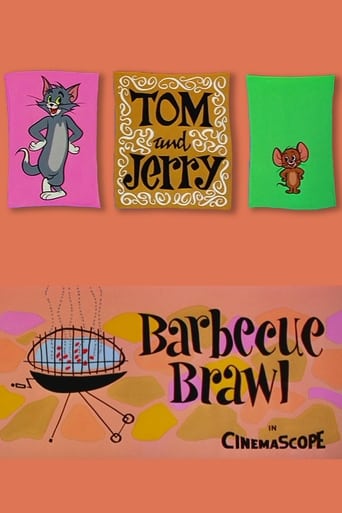
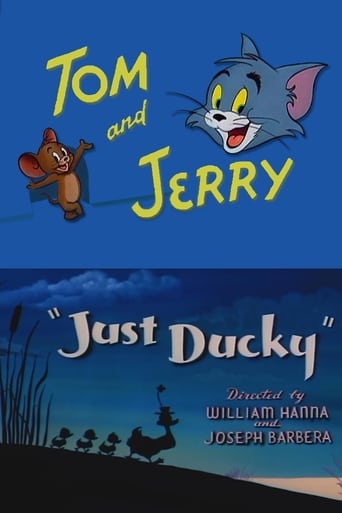
Tom and JerrySee all ›

Mickey MouseSee all ›


Bugs BunnySee all ›
Donald DuckSee all ›

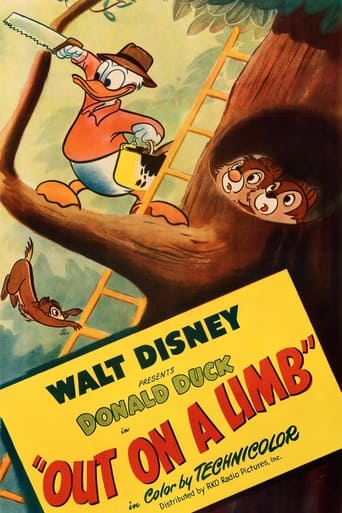
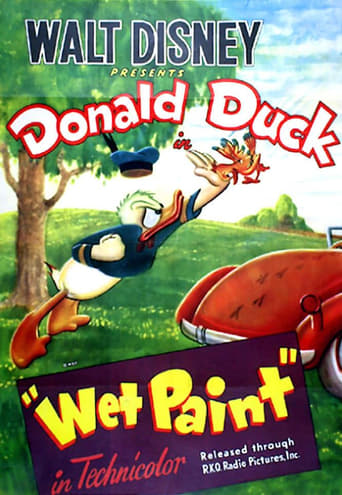
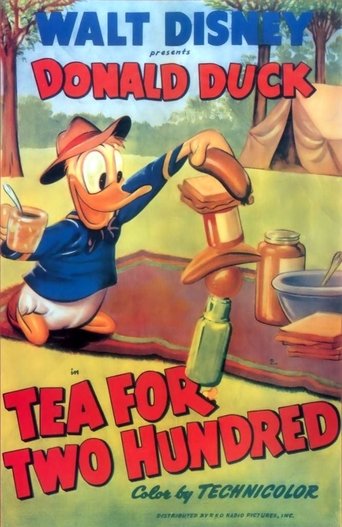
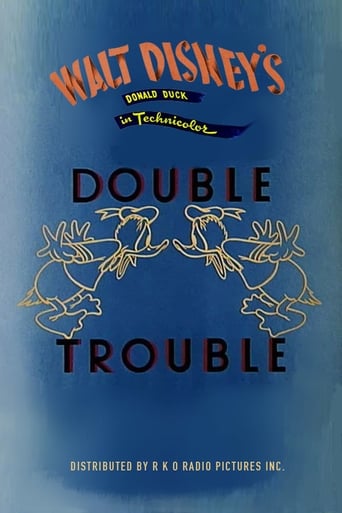
Looney Tunes starsSee all ›


GoofySee all ›
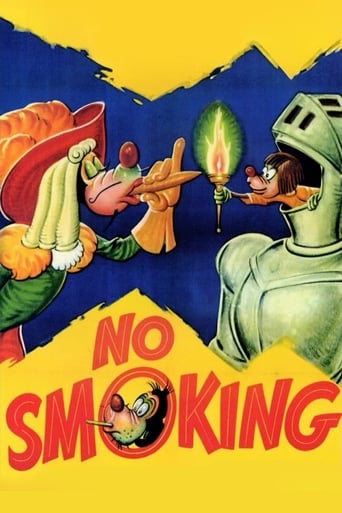
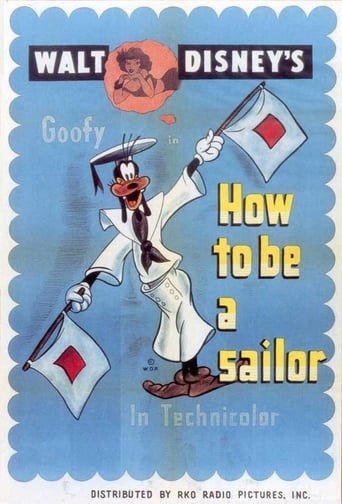
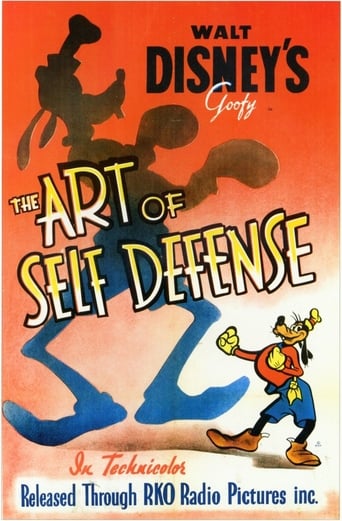
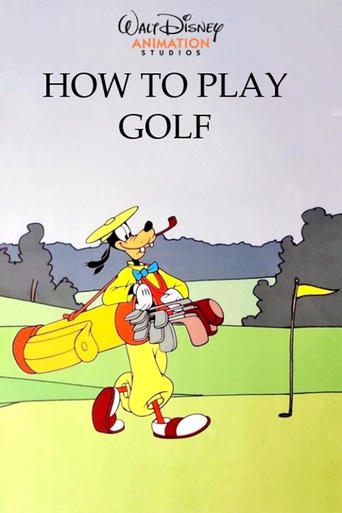
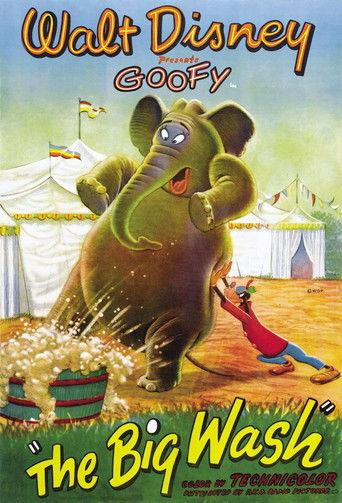
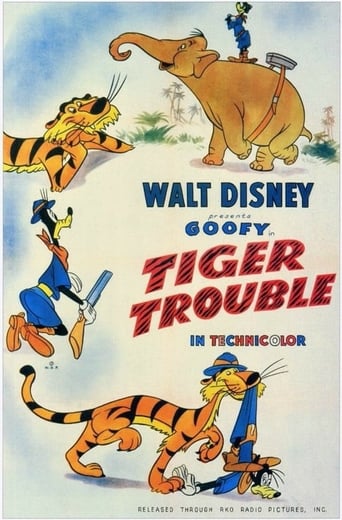
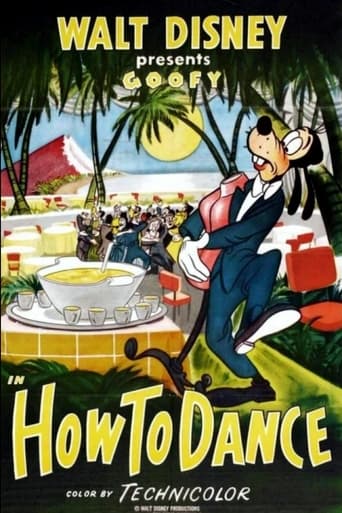
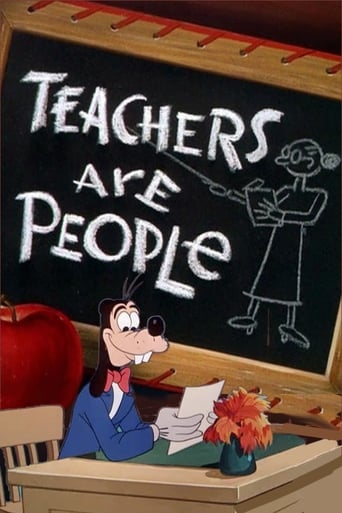
Fleischer, Famous and friendsSee all ›


Silly Symphonies and Disney specialsSee all ›


Guides
- How to watch with AnimeKhorFrom the poster rows to the official service.
- The Disney shortsMickey, Donald, Goofy, Pluto and the Silly Symphonies.
- Tom and JerryThe cat and mouse of MGM.
- Looney Tunes and Merrie MelodiesBugs, Daffy, Porky, Sylvester and the Road Runner.
- Fleischer, Famous and friendsSuperman, Popeye, Betty Boop and Ko-Ko.
- Languages and restorationsOriginal voices, dubs and restored prints.
- Oscar cartoonsWinners and nominees from the studio era.
- The official AnimeKhor siteHow to recognise the real address.
- Is AnimeKhor working?A quick check and easy fixes.
- Where AnimeKhor cartoons streamThe official services behind Watch now.
- Apps and devicesPhones, tablets, computers and televisions.
- Free classic cartoonsLegal ways to watch at zero cost.
- Watching safelyA short checklist.
- Finding a cartoonSearch tips.
- My ListBuilding your own cartoon show.
AnimeKhor: the classic cartoon shorts of the studio era, 1928 to 1969, from Mickey Mouse and Donald Duck to Tom and Jerry, Bugs Bunny, Superman and the Oscar-winning art films
For forty years, every trip to the cinema came with a cartoon. Before the newsreel and the feature, the lights went down and a seven-minute burst of colour and music filled the screen: Mickey Mouse conducting an opera, Donald Duck losing his temper with a penguin, Tom chasing Jerry across a frozen kitchen, Bugs Bunny leading an orchestra while a fly buzzes around his ears. Those cartoons were made by some of the most talented artists of the twentieth century, working in studios that turned out a new short every few weeks, and the best of them are still among the funniest and most beautiful films ever made. AnimeKhor is a guide to that world: a hand-picked catalogue of theatrical cartoon shorts from 1928 to 1969, with a page for each cartoon and a Watch now button that leads to the official services that carry it.
Here you will find 254 cartoons. There are 98 shorts from Walt Disney Productions, including 32 Mickey Mouse cartoons, 40 Donald Duck cartoons, 18 Goofy cartoons, Pluto, Figaro, Chip 'n' Dale and the Silly Symphonies. There are 57 Tom and Jerry cartoons from MGM, ten more MGM cartoons with Droopy and the inventive one-offs of Tex Avery, and more than sixty Warner Bros. cartoons with Bugs Bunny, Daffy Duck, Porky Pig, Sylvester and Tweety, the Road Runner and Foghorn Leghorn. There are Fleischer and Famous Studios cartoons with Superman, Popeye, Betty Boop and Ko-Ko the Clown, the first Woody Woodpecker cartoon, and a small shelf of art films from Norman McLaren, Oskar Fischinger, John and Faith Hubley and Stan Brakhage.
Every cartoon has its own page with the story, the year, the running time and the studio. A Watch now button opens the cartoon on JustWatch for the country you choose, where the subscription, rental, purchase and free services that carry it are listed side by side. Many of these cartoons have been restored from the original negatives in recent years, and they look better today than they did on their first release.
This page is the long guide to the catalogue. It explains how the studio cartoon worked, how the collections are organised, who the great characters and directors are, and how to build a cinema-style cartoon show at home. Read it from top to bottom, or jump to the section that interests you: Disney, Tom and Jerry, Tex Avery, the Looney Tunes, the Fleischer brothers, the art films, the Oscars or the decades.
Why the classic cartoons
The studio-era cartoon is one of the great popular art forms. Between the arrival of synchronised sound in 1928 and the end of regular theatrical cartoon production in the late 1960s, a handful of studios in Los Angeles and New York made thousands of shorts, and in doing so they invented almost everything we know about animated comedy: the chase, the slow burn, the impossible gag, the character who talks directly to the audience, the perfect marriage of music and movement. Every animated film and series made since owes something to them.
They are also simply a joy to watch. A classic cartoon is fast, inventive and endlessly rewatchable. The timing of a great Tom and Jerry chase or a Road Runner gag is as precise as a piece of music, and the backgrounds of a Disney Silly Symphony or a Fleischer Superman cartoon are as rich as a painting. Because each one lasts six to ten minutes, you can enjoy a whole programme in the time it takes to watch a single episode of a modern series, and share them with every generation in the family.
AnimeKhor is built to make that kind of watching easy. The catalogue gathers the cartoons by character, studio and decade, every film page tells you the story and the studio at a glance, and the Watch now button takes you straight to the official services that carry each one.
How AnimeKhor looks
AnimeKhor takes its look from the archived pages of animekhor.com, a Persian-language anime site whose name means something like the anime eater. The page is a deep near-black, the colour of a cinema just before the projector starts, so that the bright colours of the cartoons stand out. The header carries the wordmark, a hungry little round logo with a bite taken out of it, white text links that turn light blue when they are active, a search box and an outlined My List button.
The home page opens with a large backdrop hero, as on the original site: a still from a featured cartoon fills the width of the screen and fades gently into the dark at the bottom and on the left. Over it sit a small eyebrow line, a large title, the year, running time and studio, a short summary, a white Watch button with black text and a translucent button that opens the Oscar cartoons. Below the hero, a strip of small backdrop thumbnails leads to five more featured cartoons.
The rest of the page is built from rows of posters with softly rounded corners. Hover over a poster and a dark panel slides over it with the year, the running time and the studio, just as on the original. Each row has a heading with a See all link that appears when you point at it. The type is Vazirmatn, a free family designed for Persian and Latin text, chosen to match the IRANSans typeface of the original site. A charcoal footer closes the page with the main links and a small copyright line.
Using the site
There are four easy ways to find a cartoon. The first is the search box in the top bar: type a title or a character, such as Mickey, Jerry, Bugs or Goofy, and the results appear as you type. The second is the poster rows on the home page, each one a collection with its twelve most popular cartoons. The third is the All cartoons page, which lists every short with filters for year and rating. The fourth is the Browse page, which lists every cartoon from A to Z.
Each cartoon page shows the poster, the year, the running time, the studio and a short summary of the story. The Watch now button sits beside a country menu, so you can see the services that carry the cartoon where you live. An Add to My List button saves the cartoon to a personal list that stays in your browser and opens from the outlined button in the top bar.
The collections
The catalogue is organised into nineteen collections. Five are for Disney: Mickey Mouse, Donald Duck, Goofy, Pluto, Chip and Dale, and Silly Symphonies and Disney specials. Two are for MGM: Tom and Jerry, and Tex Avery and MGM. Three are for Warner Bros.: Bugs Bunny, Daffy Duck and Porky Pig, and Looney Tunes stars. Fleischer, Famous and friends gathers the New York studios and Walter Lantz. Art films holds the experimental and independent shorts, and Oscar cartoons holds the Academy Award winners and nominees.
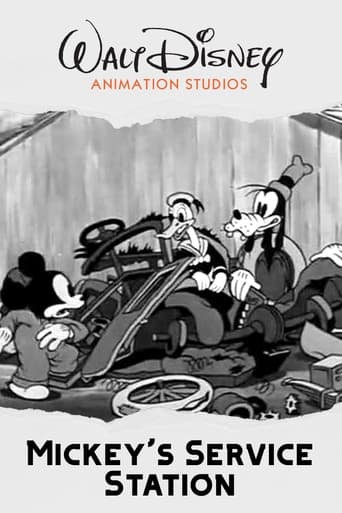
Four decade collections, from 1928 to 1939, the 1940s, the 1950s and the 1960s, let you travel through time, and Top rated holds the cartoons that viewers rate most highly. A cartoon can sit in several collections at once; Mickey's Service Station, for example, stars Mickey, Donald and Goofy together.
Mickey Mouse
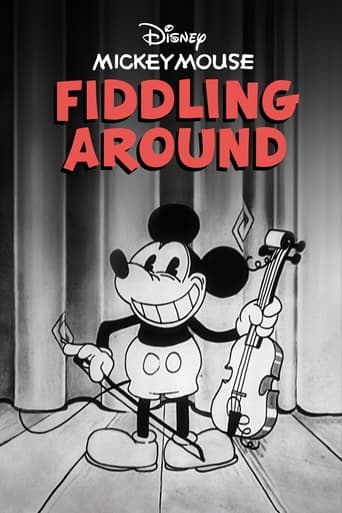
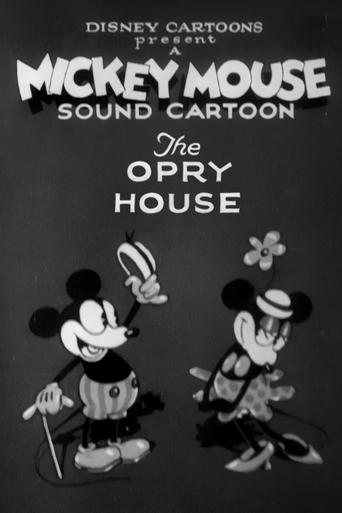
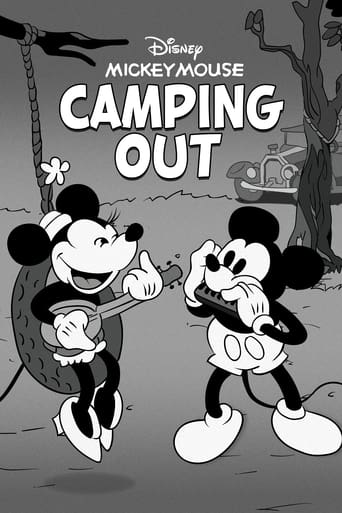
Mickey Mouse made his public debut in Steamboat Willie in November 1928, one of the first cartoons with a fully synchronised soundtrack, and he became a worldwide star almost overnight. The early Mickey cartoons are full of music and rubber-hose energy: in The Plowboy he flirts with Minnie on the farm with his horse Horace Horsecollar beside him, in Wild Waves he is a singing lifeguard, in The Opry House he runs a small theatre, and in Mickey's Choo-Choo he drives a locomotive with a mind of its own. Mickey's Follies introduced his theme song, and The Barnyard Concert and Fiddling Around show him as a musician, conducting an orchestra of farm animals and playing the violin on stage.
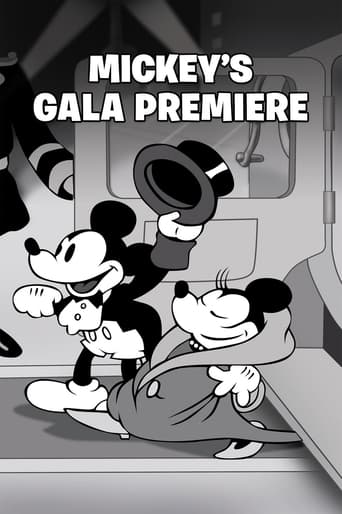
Through the early thirties Mickey became gentler and more of a hero. In The Gorilla Mystery he rescues Minnie from an escaped gorilla, in Two-Gun Mickey he is a lonesome cowboy who saves her from Pegleg Pete's gang, and in Mickey's Nightmare he dreams of marrying Minnie and raising a very large and very messy family. Mickey's Gala Premiere fills Grauman's Chinese Theatre with caricatures of the great film stars of 1933, all come to see Mickey's new picture.
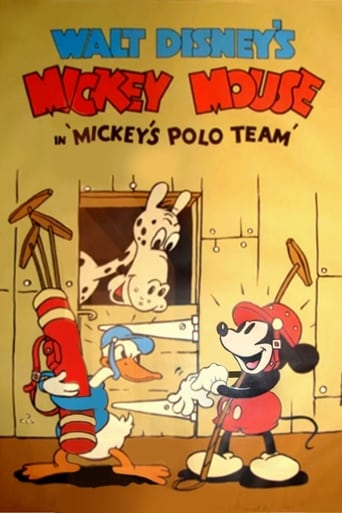
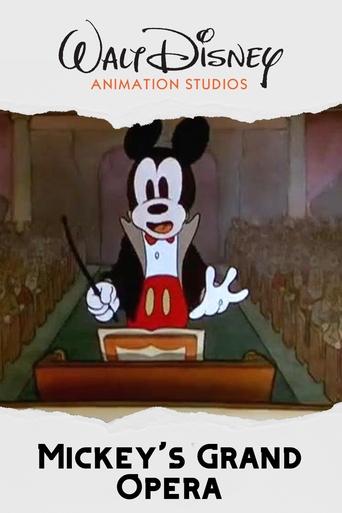
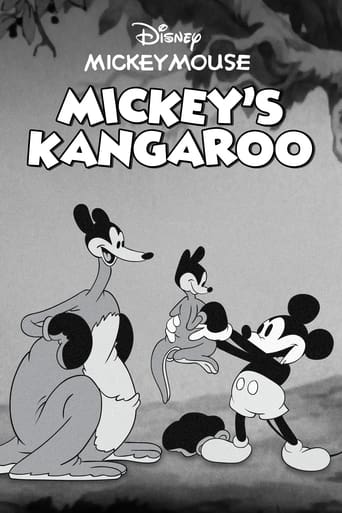
The colour cartoons of the mid-thirties are some of the most polished films Disney ever made. In Mickey's Grand Opera, Mickey conducts while Donald and Clara Cluck sing, and Pluto causes chaos backstage with a magician's hat. Mickey's Polo Team pits Mickey and his friends against a team of Hollywood celebrities. Mickey's Garden turns a battle with garden bugs into a bright fantasy, Mickey's Kangaroo brings a boxing kangaroo from Australia, and Mickey's Service Station gives Mickey, Donald and Goofy ten minutes to fix Pete's car. In The Pointer, an Oscar nominee, Mickey takes Pluto quail hunting and meets a very large bear; it was the cartoon that introduced the rounder, friendlier Mickey with pupils in his eyes.
The Silly Symphonies
The Silly Symphonies were Disney's playground for music and invention. Each one was a self-contained story built around a piece of music, and the series was where the studio tested Technicolor, the multiplane camera and the realistic animation that later made Snow White possible. AnimeKhor gathers them in one collection with the later Disney one-off specials.
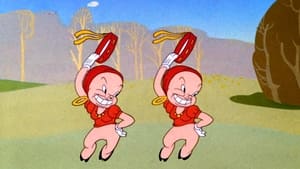
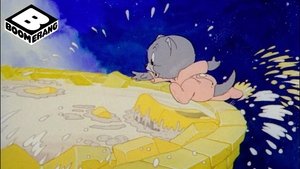
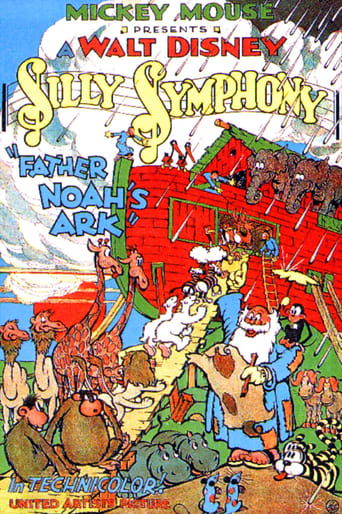
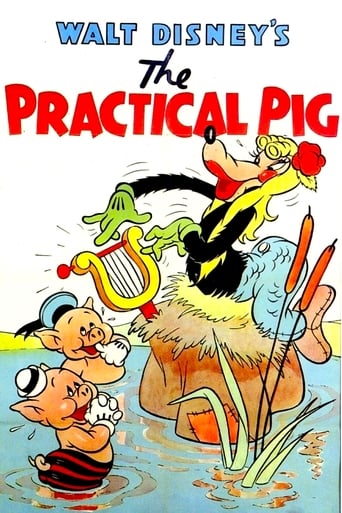
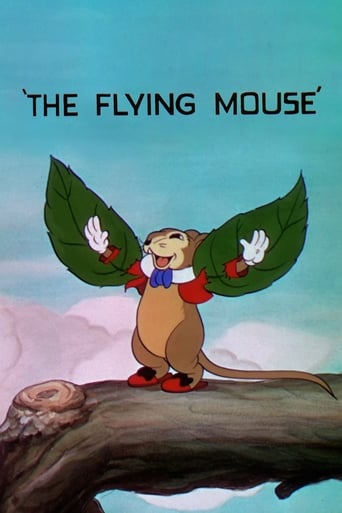
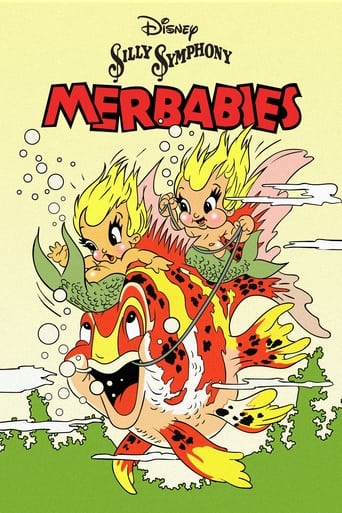
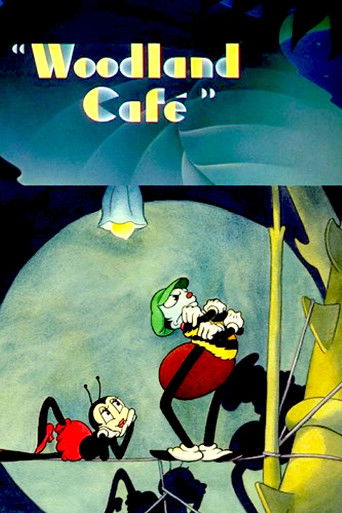
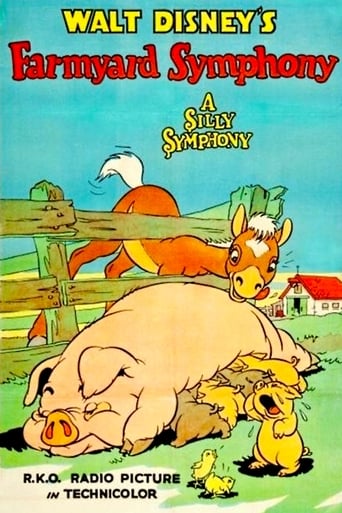
Springtime, from 1929, has flowers, insects and frogs dancing to Ponchielli. Father Noah's Ark retells the flood with a whole zoo of animals. Lullaby Land carries a baby into a dreamland where pacifiers grow on trees. The Flying Mouse follows a young mouse who wishes for wings, and The Cookie Carnival stages a beauty parade of cakes and sweets. The Robber Kitten runs away to be a bandit, Woodland Café sends the insects of the forest to a jazz club, and Merbabies fills the sea with an underwater circus of babies made from the waves. Farmyard Symphony sets a whole farm to classical music, and The Practical Pig gives the Three Little Pigs a final adventure in which the third pig builds an elaborate machine to deal with the wolf.
Donald Duck
Donald Duck first appeared in 1934 and quickly became more popular than Mickey himself. His appeal is his temper: he starts each cartoon in a good mood and ends it hopping with rage, quacking in the unmistakable voice of Clarence Nash, who voiced him for half a century. AnimeKhor holds forty Donald cartoons, more than any other character in the catalogue.
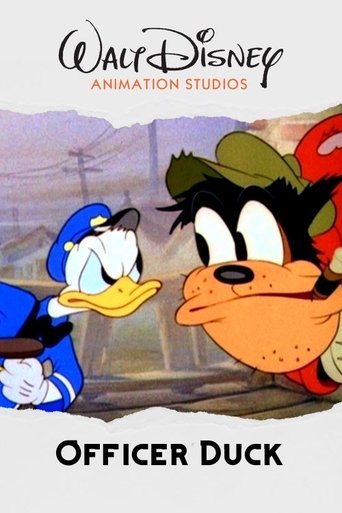
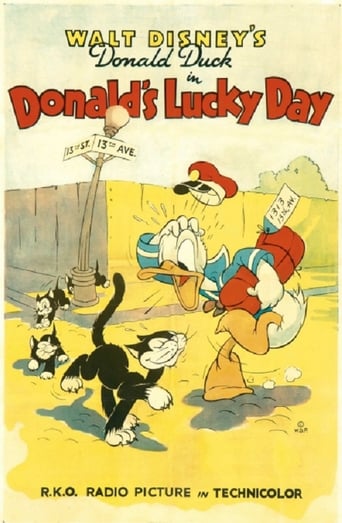
In Donald's Ostrich he is a railway baggage master with an ostrich who eats everything in sight, including the radio. In Self Control he tries to follow a radio philosopher's advice to count to ten when he gets angry, and in Donald's Penguin he receives a penguin from the South Pole who is a little too fond of his goldfish. Donald's Lucky Day has him delivering a mysterious package on Friday the thirteenth, and Officer Duck sends him to arrest a criminal called Tiny Tom who turns out to be Pete.
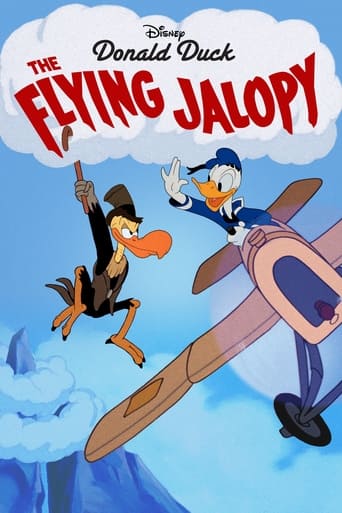
The forties are Donald's golden years. Fire Chief puts him in charge of a fire station with his three nephews, Huey, Dewey and Louie, and Donald's Vacation sends him on a camping trip where two cheeky chipmunks help themselves to his supplies. Window Cleaners, The Riveter and Timber give him jobs he is wonderfully bad at, Golden Eggs has him disguise himself as a hen to steal eggs from a rooster, and The Flying Jalopy sells him a rattletrap aeroplane. Duck Pimples scares him half to death with mystery novels, Donald's Double Trouble gives him a perfectly mannered double, Donald's Dilemma turns him into a famous crooner who forgets Daisy, and Tea for Two Hundred, an Oscar nominee, pits his picnic against an army of ants.
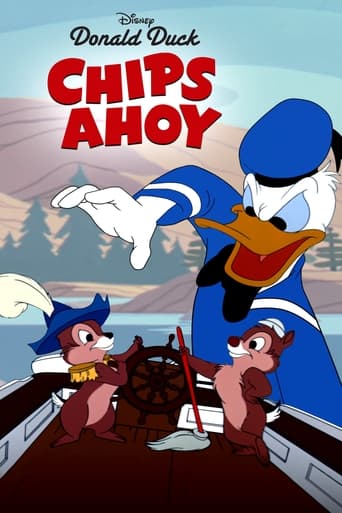
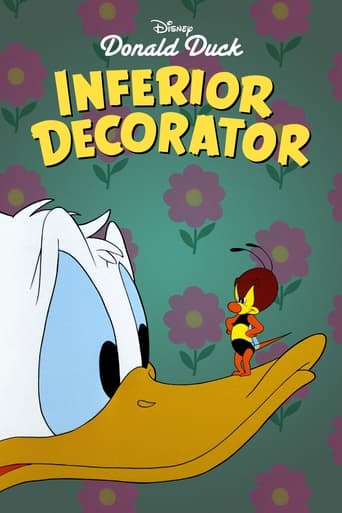
From the late forties, Donald's great enemies were two chipmunks. Out on a Limb, Crazy Over Daisy, Donald Applecore and Chips Ahoy all set him against Chip 'n' Dale, the cheeky pair who always get the last laugh. Inferior Decorator, Bee at the Beach and Wet Paint find him at war with a bee and a bird, and Drip Dippy Donald and Wide Open Spaces simply try to let him get a good night's sleep.
Goofy
Goofy began as a minor character in the Mickey cartoons, and in the late thirties he became a star of his own. His most famous series is the How to cartoons, in which a calm narrator explains a sport or hobby while Goofy demonstrates it with total commitment and disastrous results. How to Play Golf, How to Be a Sailor, How to Dance, The Art of Self Defense, Goofy's Glider and Tennis Racquet are all here, along with Hockey Homicide, one of the wildest sports cartoons ever made.
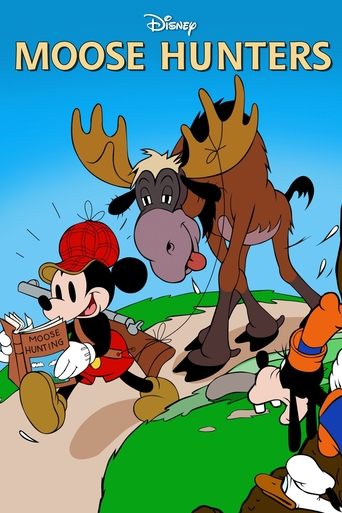
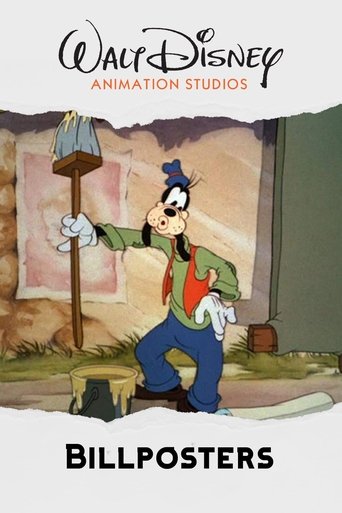
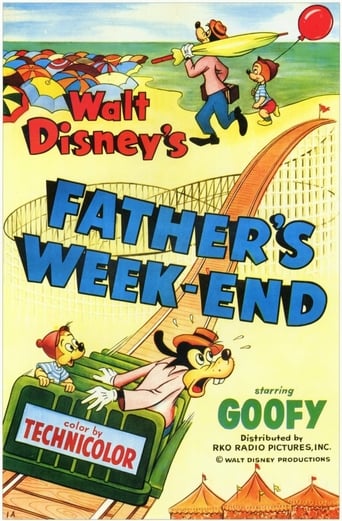
In the fifties, Goofy became George Geef, an everyman with a wife, a son and an office job, in a series of gentle satires of modern life. Father's Week-End follows him through a busy weekend of family outings, Teachers Are People puts him in front of a classroom, Tomorrow We Diet and No Smoking follow his struggle with his own habits, and Lion Down sends him to fetch a tree for his penthouse hammock. Goofy also appears beside Mickey and Donald in classic team cartoons such as Moose Hunters, The Whalers, Billposters and Mickey's Service Station.
Pluto, Figaro, Chip and Dale
Pluto is the one great Disney star who stays silent, and his cartoons are masterclasses in pantomime. Everything he feels, from curiosity to jealousy to triumph, is shown through his ears, his nose and his tail. In Mother Pluto he accidentally hatches a brood of chicks and looks after them until the hen returns. In Bone Bandit he discovers that a gopher has been raiding his hidden bones, in Pluto's Purchase he is sent to buy sausages and has to guard them from the bulldog Butch, and in Pluto's Surprise Package a parcel sprouts legs and tries to go swimming.
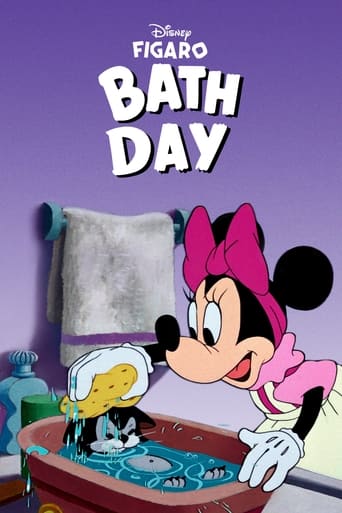
Figaro, the kitten from Pinocchio, has his own small series. In Bath Day, Minnie gives him a bath and ties a ribbon around his neck, and he has to prove to the alley cats that he is tougher than he looks. Chip 'n' Dale, the chipmunks with the squeaky voices, appear in the Donald cartoons and in Two Chips and a Miss, in which both chipmunks sneak out to a nightclub to see the singer Clarice.
Later Disney specials
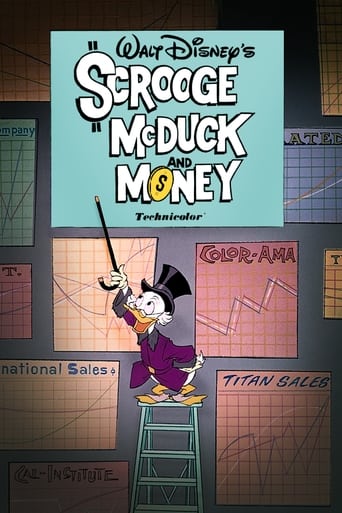
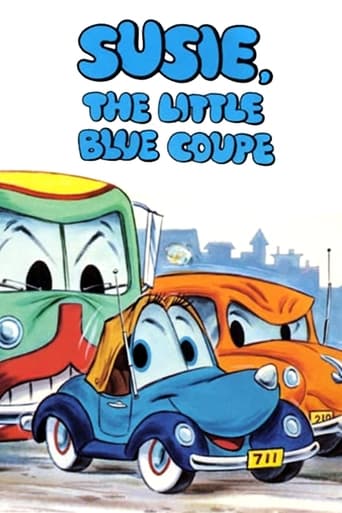
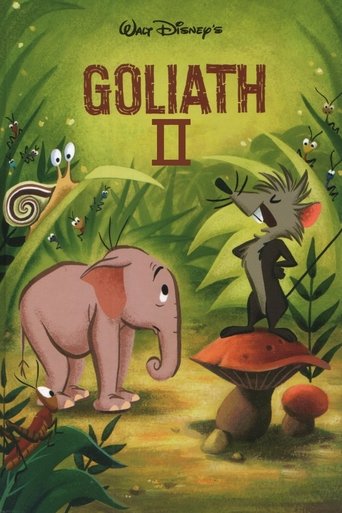
In the fifties and sixties Disney made a series of longer one-off cartoons with modern designs. Susie, the Little Blue Coupe follows the life of a little car from a gleaming showroom to a scrapyard and back to glory. Paul Bunyan, an Oscar nominee, retells the American tall tale of the giant lumberjack and his blue ox Babe with songs and wide painted landscapes. Goliath II follows a tiny elephant, only a few inches tall, who longs to make his huge father proud, and it was one of the first Disney films made with the Xerox process that also gave One Hundred and One Dalmatians its sketchy line. Scrooge McDuck and Money has Uncle Scrooge explain the history of money to his nephews, with plenty of jokes along the way.
Tom and Jerry
William Hanna and Joseph Barbera created Tom and Jerry at MGM in 1940, and over the next seventeen years they made more than a hundred cartoons with the pair, winning seven Academy Awards. The formula is simple: a house cat chases a mouse, and the mouse always comes out on top. What makes it brilliant is the execution. The chases are timed to the split second, the gags build like a symphony, and Scott Bradley's scores follow every leap and crash. AnimeKhor holds 57 of their cartoons.
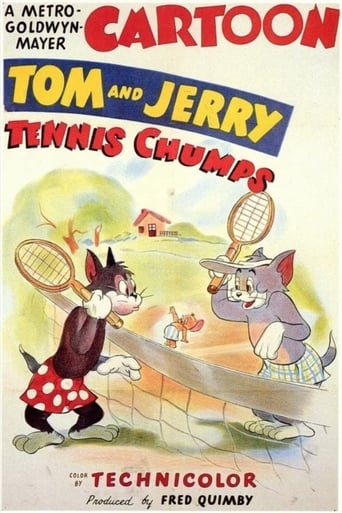
The forties cartoons are full of energy. In Fine Feathered Friend, Jerry hides under a mother hen. In Cat Fishin', Tom uses Jerry as live bait at a lake guarded by Spike the bulldog. Springtime for Thomas finds Tom in love, Trap Happy brings in a professional mouse exterminator, and Flirty Birdy has Tom disguise himself as a lady hawk to win Jerry back from a hungry bird. The Truce Hurts sees Tom, Jerry and Spike sign a peace treaty that lasts until a steak falls off a truck, and Love That Pup introduces Spike's adorable son Tyke. Tennis Chumps and Jerry's Diary close the decade.
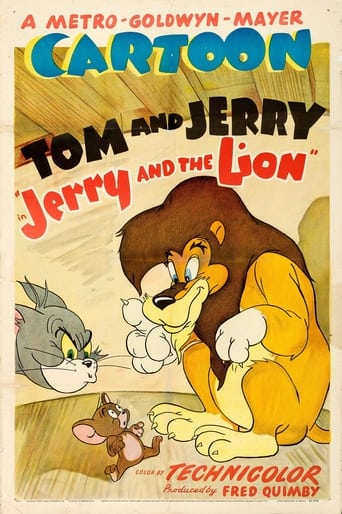
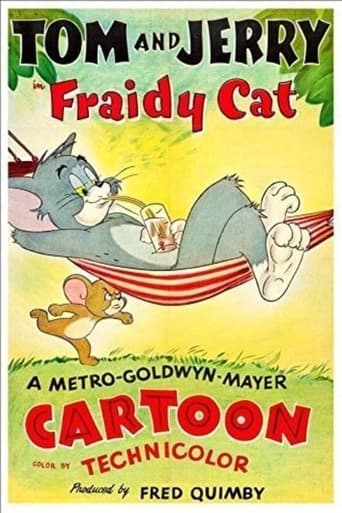
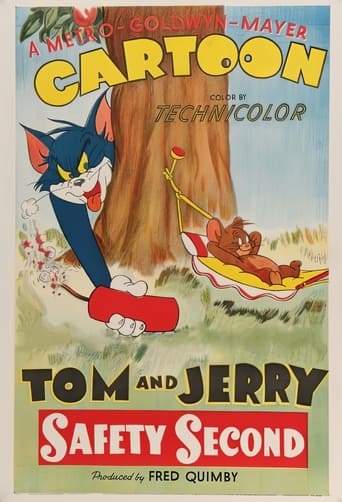
The fifties are the pair's richest years. In Jerry and the Lion, Jerry helps an escaped circus lion, and in Jerry and the Goldfish he saves a goldfish from a recipe. Safety Second celebrates Independence Day with Jerry's little nephew and a box of fireworks. Cat Napping is a battle for a hammock, Cruise Cat takes the chase onto an ocean liner, Fit to Be Tied gives Jerry a bell to ring for Spike's help, and The Flying Cat has Tom build himself a pair of wings to catch a canary. Little Runaway brings a baby seal into the garden pool, The Dog House wrecks Spike's dream home, and Jerry and Jumbo disguises a baby elephant as a giant mouse.
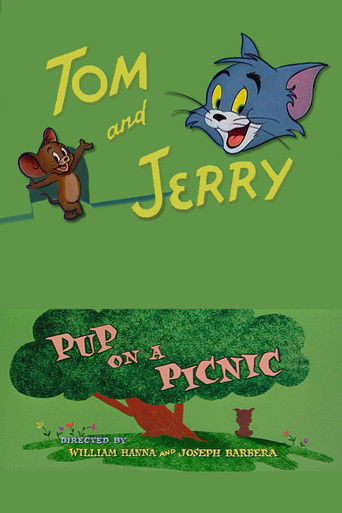
Several recurring friends brighten the later cartoons. Little Quacker the duckling appears in The Duck Doctor, Just Ducky, Southbound Duckling, That's My Mommy and Happy Go Ducky, always needing Jerry's protection. Spike and Tyke star in That's My Pup!, Pup on a Picnic, Barbecue Brawl and Tops with Pops, and Tuffy, Jerry's little grey nephew, joins in Mice Follies, where the mice flood the kitchen and freeze it into an ice rink, and in Feedin' the Kiddie.
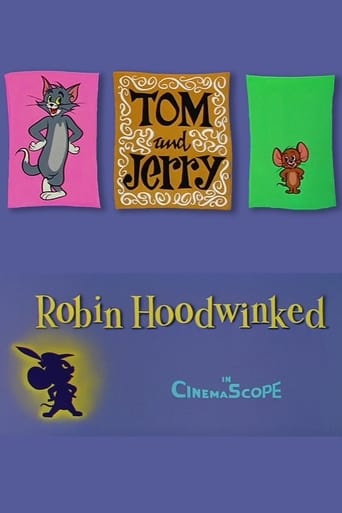
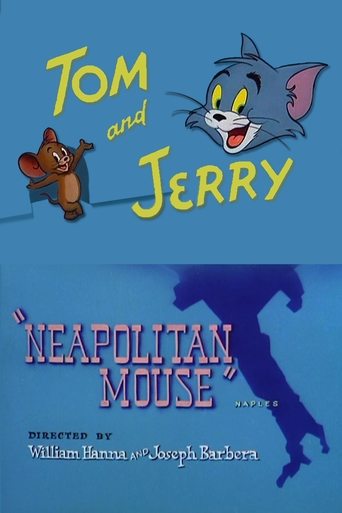
The Mouseketeer cartoons put Jerry and Tuffy into seventeenth-century France. Touché, Pussy Cat!, an Oscar nominee, sends young Tuffy to Paris to learn to be a Mouseketeer, Tom and Chérie has him deliver love letters past Tom, Royal Cat Nap returns to the royal palace, and Robin Hoodwinked sends Jerry and his little friend to Sherwood Forest to rescue Robin Hood. Neapolitan Mouse takes Tom and Jerry on holiday to Naples, and Mucho Mouse sends Tom to Spain to catch a mouse called El Magnifico.
Some of the best cartoons play with the formula. In Designs on Jerry, the drawings on Tom's blueprint come to life. In Mouse for Sale, Tom paints Jerry white to sell him to a pet shop. Smarty Cat shows home movies of Tom's victories over Spike, Timid Tabby brings Tom's lookalike cousin George, who is terrified of mice, and The Vanishing Duck lets Jerry and a duckling use vanishing cream. Muscle Beach Tom, Down Beat Bear, Posse Cat, Pecos Pest and The Flying Sorceress take the chase to the beach, the dance floor, the Wild West and a witch's broomstick.
In the sixties, Chuck Jones took over the series at his own studio, Sib-Tower 12, and gave it a new look with sharper designs and bigger eyebrows. Pent-House Mouse, his first, sends Jerry up a skyscraper on a construction girder. The Cat Above and the Mouse Below makes Tom an opera singer whose concert keeps Jerry awake, Love Me, Love My Mouse has Tom's sweetheart adopt Jerry, and I'm Just Wild About Jerry and Of Feline Bondage are full of Jones's elegant comic timing.
Tex Avery and MGM
Tex Avery joined MGM in 1941 after making his name at Warner Bros., and his cartoons there are the fastest and most outrageous of the era. His characters stretch, explode and talk to the audience, and his gags arrive at a speed that still feels modern. His most famous star is Droopy, a tiny, sad-eyed basset hound who always wins. In Out-Foxed, Droopy joins a pack of English hunting hounds chasing a tea-drinking fox, and in Deputy Droopy two outlaws must tiptoe in total silence to rob the deputy while the sheriff sleeps next door.
Avery's one-offs are just as inventive. The House of Tomorrow tours a house full of ridiculous gadgets, the first of his Tomorrow cartoons. The Cat That Hated People follows a fed-up cat who flies to the moon for some peace and quiet. Lucky Ducky gives two hunters a newly hatched duckling who runs rings around them, Doggone Tired has a rabbit keep a hunting dog awake all night, and Ventriloquist Cat plays tricks on a bulldog with a voice-throwing device. Symphony in Slang illustrates every piece of forties slang literally as a newcomer tells his life story at the gates of heaven.
The MGM collection also holds two treasures by other directors. The Milky Way, directed by Rudolf Ising, sends the three little kittens who lost their mittens on a balloon trip to a land of milk among the stars, and in 1941 it became the first cartoon made outside Disney to win the Academy Award. An Optical Poem was made at MGM by the German abstract artist Oskar Fischinger, a dance of paper shapes set to Liszt's Second Hungarian Rhapsody.
Bugs Bunny
Bugs Bunny is the coolest character in cartoon history. Calm, clever and always one step ahead, he faces hunters, gangsters, monsters and opera singers with a carrot in his hand and a question on his lips. He took his familiar shape around 1940 at Leon Schlesinger's studio, the home of the Warner Bros. cartoons, and the voice of Mel Blanc gave him his Brooklyn drawl. AnimeKhor holds 27 of his cartoons.
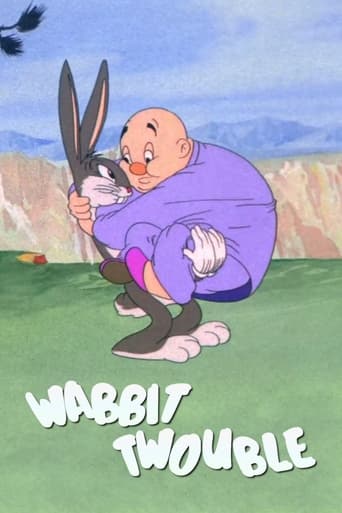
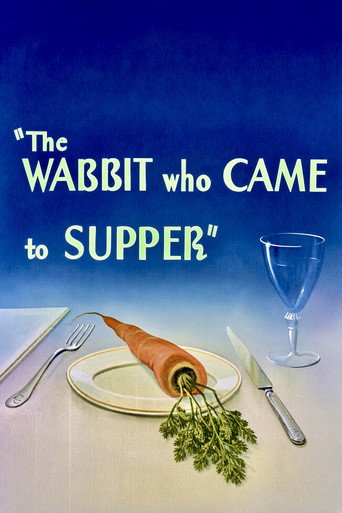
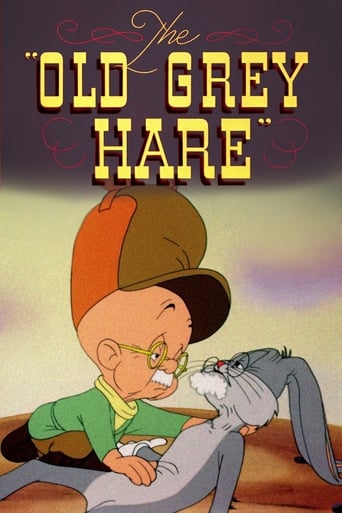
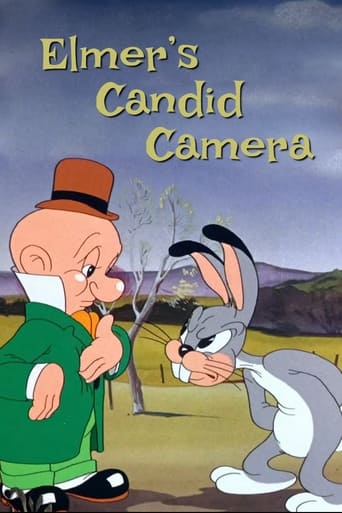
His great early opponent is Elmer Fudd. In Elmer's Candid Camera, Elmer tries to photograph wildlife and meets a rabbit who is far too rascally. In Wabbit Twouble, Elmer goes camping in Jellostone National Park, right on top of Bugs's home. In The Wacky Wabbit, The Wabbit Who Came to Supper, Hare Tonic and The Big Snooze, Elmer keeps trying, and in The Old Grey Hare a voice from the heavens shows him the year 2000, when the two of them are old and grey and still at it.
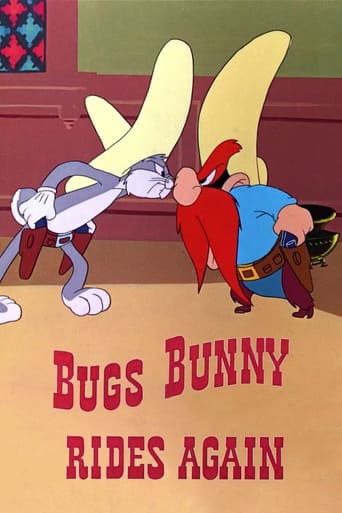
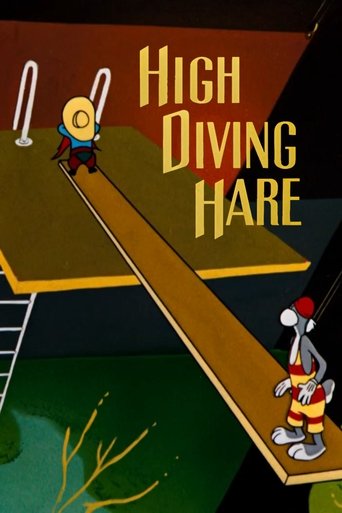
Yosemite Sam, the tiny loud-mouthed cowboy, arrived in 1945 and became Bugs's favourite rival. Bugs Bunny Rides Again is their Western showdown, High Diving Hare forces Bugs up a diving tower, Bunker Hill Bunny sets them in the American Revolution, 14 Carrot Rabbit follows them to the Klondike gold rush, and Barbary-Coast Bunny sends Bugs to win back his gold nugget in a San Francisco gambling hall.
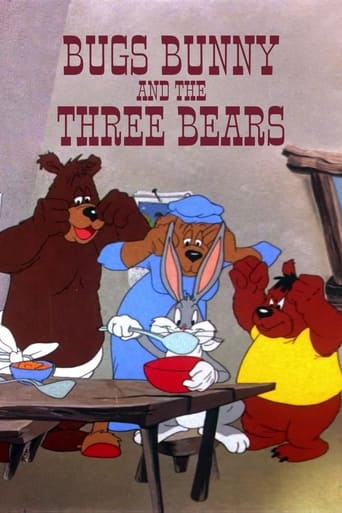
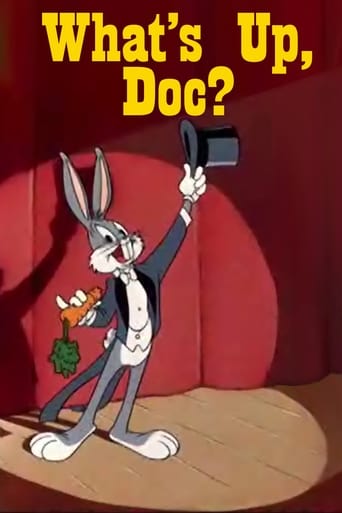
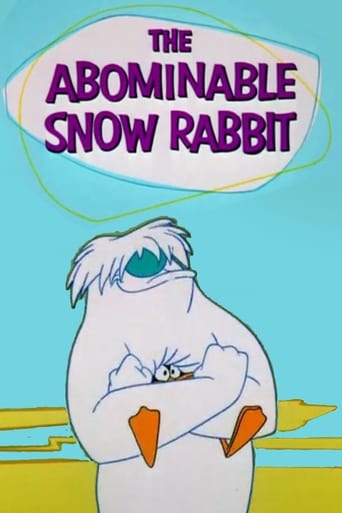
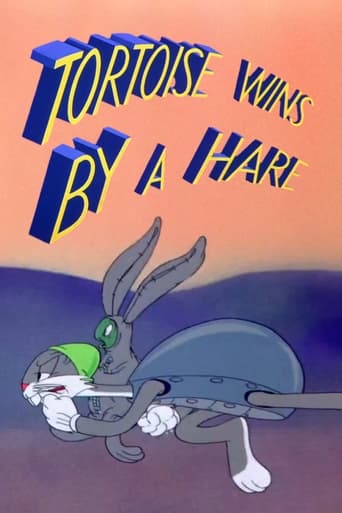
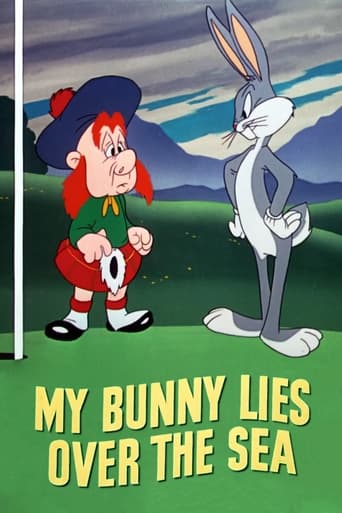
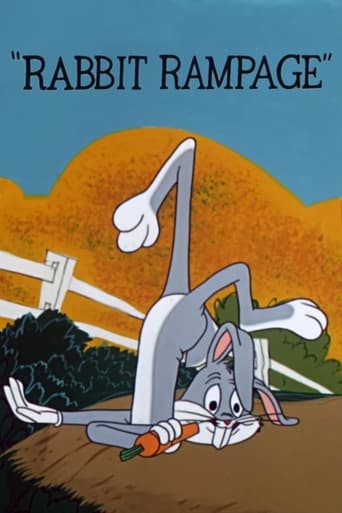
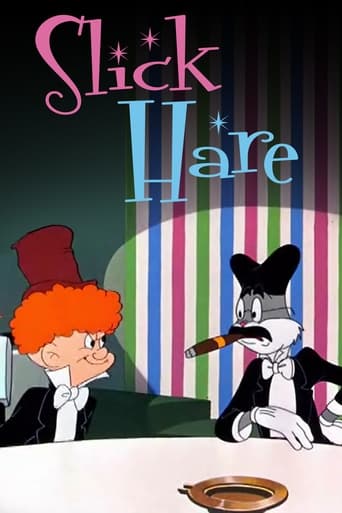
Bugs also meets a great variety of other characters. Cecil Turtle beats him in a race in Tortoise Beats Hare, and Bugs gets his revenge in Tortoise Wins by a Hare. Bugs Bunny and the Three Bears puts him in a fairy tale, My Bunny Lies Over the Sea sends him to Scotland for a game of golf, and Slick Hare has Elmer serve him to Humphrey Bogart in a Hollywood restaurant. Hyde and Hare gets him adopted by Dr. Jekyll, Big House Bunny lands him in prison, and Bunny Hugged puts him in a wrestling ring. What's Up, Doc? tells his life story in show business, Rabbit Rampage sets him against his own animator, and Baton Bunny has him conduct an orchestra in a single, elegant performance. In The Abominable Snow Rabbit, he and Daffy take a wrong turn on the way to Palm Springs and end up in the Himalayas with a snowman who wants a pet.
Daffy Duck and Porky Pig
Porky Pig was the first great Warner Bros. star, and his first cartoon, from 1935, is a school recital in which he stammers through The Midnight Ride of Paul Revere. Two years later, in Porky's Duck Hunt, he met a little black duck who bounced across a lake whooping with laughter, and Daffy Duck was born.
The early Daffy is a screwball, all energy and mischief. In Daffy Duck in Hollywood he wrecks a film set, in Daffy Duck and the Dinosaur a caveman tries to catch him for dinner, and in a boxing parody from 1943 he challenges the hunter Elmer to a rigged match in the ring. Yankee Doodle Daffy has him try to sell a child performer to Porky the talent scout, and Porky Pig's Feat traps the two of them in a hotel whose bill is far beyond their means. Baby Bottleneck puts them in charge of a baby factory, and Dough for the Do-Do sends Porky to the surreal Wackyland in search of the last dodo.
From the fifties onward, Chuck Jones turned Daffy into a jealous, greedy and very funny loser beside the calm Bugs or the patient Porky. In The Ducksters, Daffy hosts a cruel quiz show that ends badly for him, in A Star Is Bored he becomes Bugs's stunt double, and in Show Biz Bugs the two rivals compete for the audience's applause. Rocket Squad makes Daffy and Porky futuristic detectives in a parody of Dragnet, and Claws for Alarm traps Porky and Sylvester in a spooky hotel.
The Looney Tunes stars
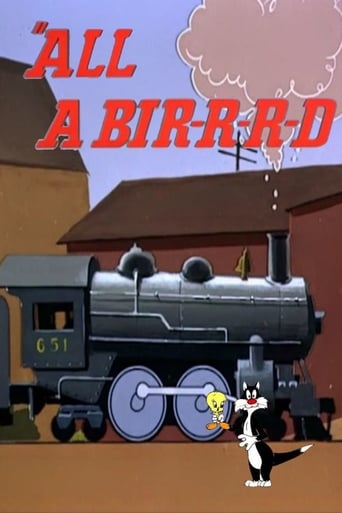
Warner Bros. had the deepest bench of characters of any studio, and the Looney Tunes stars collection gathers 27 cartoons with the rest of the gang. Sylvester the cat and Tweety the canary appear in Canary Row, where Sylvester tries every trick to reach Tweety's apartment window; All a Bir-r-r-d, set on a train; Gift Wrapped, a Christmas cartoon in which Tweety is Granny's new present; and Hyde and Go Tweet, in which a potion turns Tweety into a monster. Sylvester also stars on his own in Back Alley Oproar, singing all night on a fence while Elmer tries to sleep, and in Canned Feud, locked in a house full of tinned food with a mouse holding the only can opener.
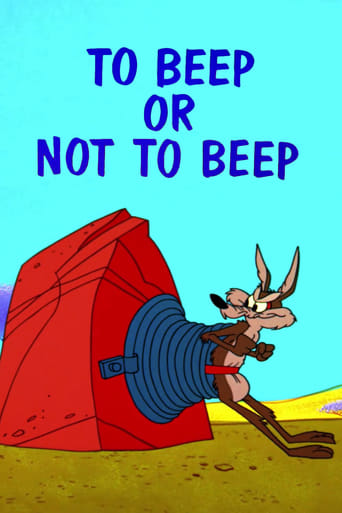
Wile E. Coyote and the Road Runner, created by Chuck Jones and Michael Maltese, follow strict rules: the Coyote keeps on trying and the desert always wins. Going! Going! Gosh!, Zoom and Bored, and Beep Prepared show the Coyote's mail-order schemes failing in ever more spectacular ways. Ralph Wolf and Sam Sheepdog, from the same team, make their debut here too, clocking in and out of their daily battle over a flock of sheep like two factory workers.
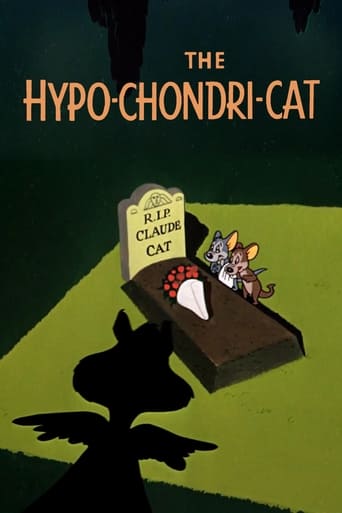
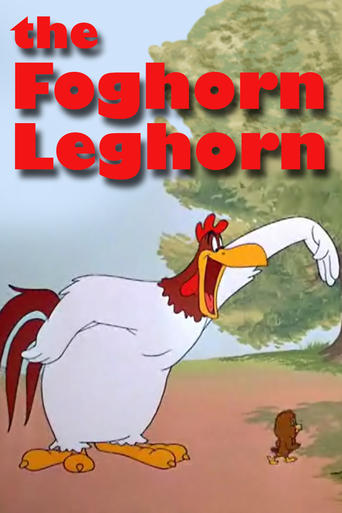
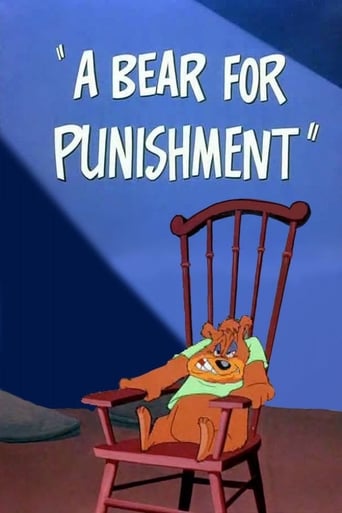
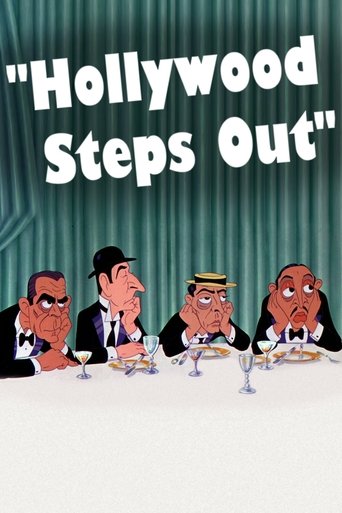
Foghorn Leghorn, the booming rooster, faces little Henery Hawk in Walky Talky Hawky and The Foghorn Leghorn. Marc Antony the bulldog and his tiny kitten Pussyfoot appear in Kiss Me Cat and Cat Feud. Hubie and Bertie operate on a nervous cat in The Hypo-Chondri-Cat, the Three Bears celebrate Father's Day in A Bear for Punishment, and Three Little Bops turns the Three Little Pigs into a jazz band with a terrible trumpet-playing wolf. Pigs in a Polka, an Oscar nominee, sets the same story to Brahms's Hungarian Dances, and Hollywood Steps Out fills a nightclub with caricatures of film stars.
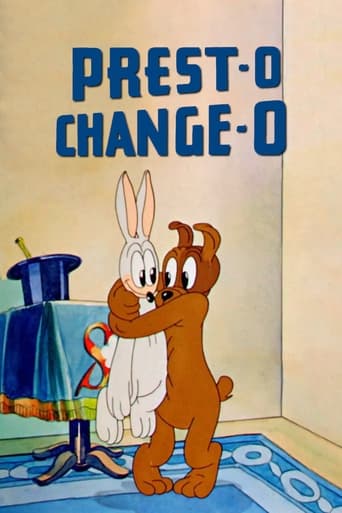
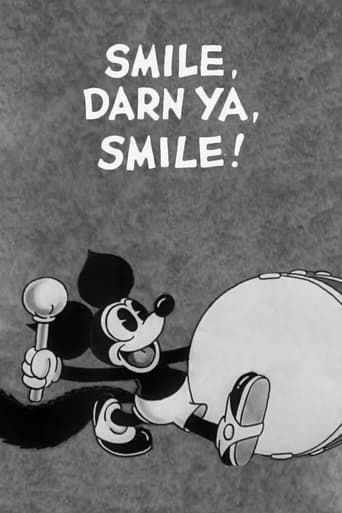
The oldest cartoons in the collection come from the early days of the Warner studio, when Hugh Harman and Rudolf Ising made Merrie Melodies built around popular songs: Smile, Darn Ya, Smile! and It's Got Me Again!, in which mice play music at night until the cat arrives, the first Warner Bros. cartoon nominated for an Academy Award. Prest-O Change-O, from 1939, sends two puppies into a magician's house with a mischievous rabbit who is an early version of Bugs.
Fleischer, Famous and friends
While Disney worked in Los Angeles, the Fleischer brothers, Max and Dave, ran the great cartoon studio of New York. Their films have a looser, jazzier, more urban feel than Disney's, and they invented techniques of their own, including the rotoscope, which traces live-action film to create lifelike movement, and the stereoptical process, which set drawn characters in front of real three-dimensional model sets.
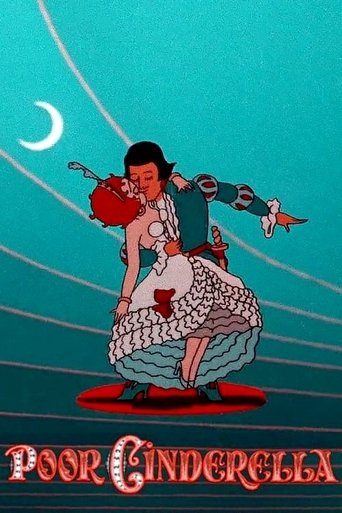
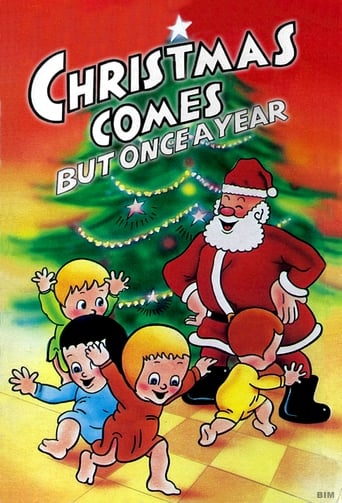
KoKo's Earth Control, from 1928, stars Ko-Ko the Clown, the hero of the Fleischers' Out of the Inkwell series, who walks into a room full of levers that control the planet and lets his dog Fitz pull the wrong one. Poor Cinderella is the only Betty Boop cartoon in colour, a warm retelling of the fairy tale. Somewhere in Dreamland and Christmas Comes But Once a Year belong to the Color Classics, gentle stories of poor children who find unexpected kindness. Aladdin and His Wonderful Lamp, from 1939, is the last of three two-reel Popeye specials, in which Olive Oyl writes a screenplay that comes to life with Popeye as Aladdin.
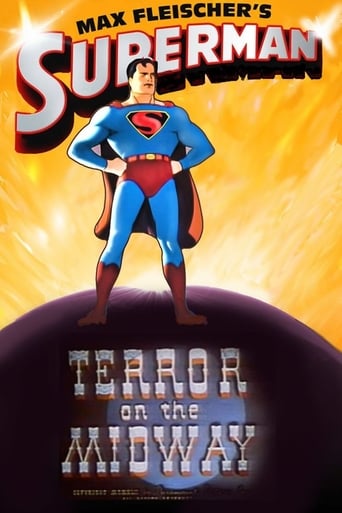
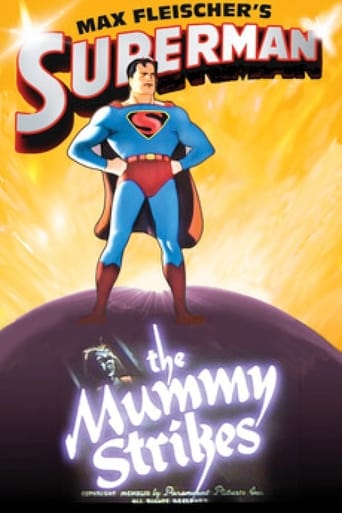
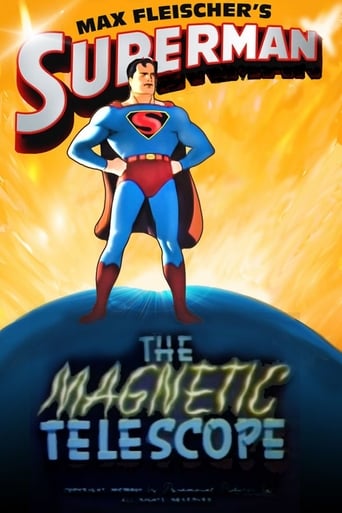
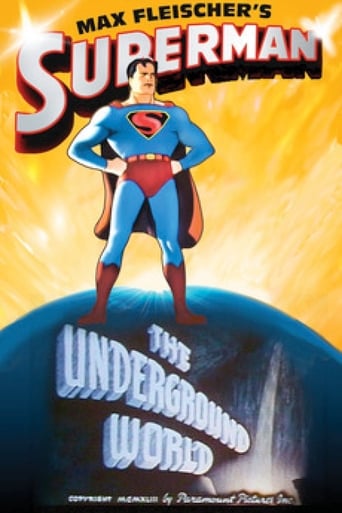
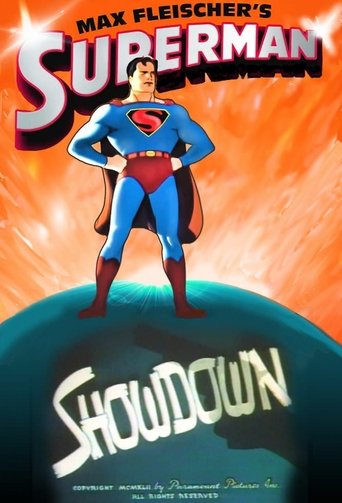
In 1941 the Fleischers began the Superman cartoons, the most lavish action films of the era, with deep shadows, dramatic angles and a heroic score. The Magnetic Telescope sees Superman stop a meteor shower caused by a reckless scientist, Terror on the Midway sets escaped circus animals loose, and Showdown pits him against a crook dressed in a Superman costume. After the studio was reorganised as Famous Studios, the series continued with The Mummy Strikes and The Underground World, in which Lois Lane is captured by a race of hawk-people below the earth. These cartoons shaped how superheroes have looked on screen ever since.
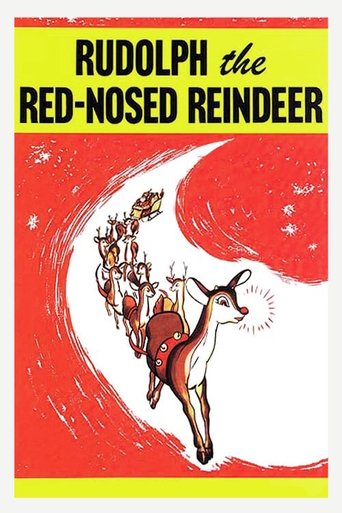
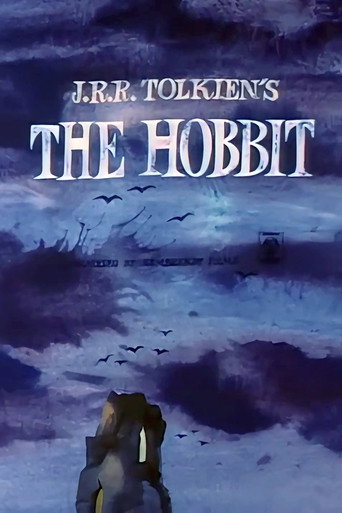
The collection also holds Woody Woodpecker, the first cartoon of the bird's own series at Walter Lantz's studio, in which the manic bird pecks holes in trees and drives the forest animals to distraction; Rudolph the Red-Nosed Reindeer, Max Fleischer's 1948 adaptation of Robert L. May's Christmas poem; The Unicorn in the Garden, UPA's elegant version of James Thurber's fable about a man who sees a unicorn eating roses; and J. R. R. Tolkien's The Hobbit, a twelve-minute version of the novel made by Gene Deitch in Prague in 1967, the first screen adaptation of Tolkien.
Art films
Alongside the big studios, artists all over the world used animation as a form of painting, music and poetry, and the Art films collection gathers eight of them. Norman McLaren of the National Film Board of Canada drew Dots directly onto the film strip, both the pictures and the sound, so that every dot you see is also a note you hear. His A Chairy Tale, made with Claude Jutra and set to music by Ravi Shankar, is a playful duel between a man and a chair that refuses to be sat on.
John and Faith Hubley made Moonbird from a real recording of their two young sons whispering in the dark about how to catch a magical bird, with loose watercolour drawings that feel like a child's dream; it won the Academy Award in 1960. The Critic, created by Ernest Pintoff with the voice of Mel Brooks, sets an abstract film against the grumbling of an old man in the audience who would rather be watching a story, and it won the Oscar too. Stan Brakhage made Mothlight by pressing real moth wings, flowers and seeds between strips of clear tape and printing the result, and Bambi Meets Godzilla, Marv Newland's ninety-second student joke, has become one of the most famous short films ever made.
The Oscar cartoons
The Academy Award for the best cartoon short was first presented in 1932, and for the rest of the decade Disney won it every year. AnimeKhor's Oscar collection gathers ten winners and nominees. It's Got Me Again! was the first Warner Bros. cartoon to be nominated, in that very first year. The Pointer earned Mickey a nomination in 1939, and The Milky Way broke Disney's winning streak in 1940. Pigs in a Polka was nominated for 1943, Tea for Two Hundred for 1948, Rugged Bear for 1953, Touché, Pussy Cat! for 1954 and Paul Bunyan for 1958. Moonbird and The Critic carried the prize to the independent studios that were shaping the future of the form.
Four decades of cartoons
The four decade collections let you watch the studio cartoon grow up. The 62 cartoons from 1928 to 1939 are full of music, bouncing rubber-hose limbs and the thrill of sound and colour arriving on screen. The early Mickey and Silly Symphony cartoons, the Fleischer Color Classics and the first Merrie Melodies all feel like little musicals, with every movement on the beat.
The 84 cartoons of the 1940s are faster and wilder. This is the decade of Tex Avery, of Bugs Bunny's rise, of Tom and Jerry's first great chases and of Donald at his most explosive, and the gags come thick and fast. The Superman cartoons bring a new kind of dramatic action, and Goofy's How to cartoons find comedy in everyday life.
The 93 cartoons of the 1950s, the largest decade in the catalogue, are the most polished. Chuck Jones refines the Road Runner and the Bugs and Daffy double act, Tom and Jerry move into CinemaScope, Disney experiments with modern design in Susie, the Little Blue Coupe and Paul Bunyan, and UPA's flat, stylish look influences everyone. The fifteen cartoons of the 1960s close the era with Chuck Jones's Tom and Jerry, the last classic Looney Tunes and independent films such as The Critic and Bambi Meets Godzilla.
How the cartoons were made
A seven-minute studio cartoon took months to make and needed a team of dozens. A director planned the gags on storyboards, animators drew the key poses, assistants and in-betweeners drew the frames in between, and inkers and painters traced every drawing onto clear celluloid sheets and painted the colours on the back. The cels were photographed one at a time over painted backgrounds, twelve or twenty-four drawings to each second of film.
The studios kept inventing new tools. Disney's three-strip Technicolor cartoons, starting in 1932, brought full colour to the screen, and its multiplane camera, introduced in 1937, gave painted backgrounds real depth. The Fleischers built three-dimensional model sets behind their drawings. In the fifties, MGM and Disney filmed some cartoons in the wide CinemaScope format, and UPA showed that simple, flat, stylised designs could be just as expressive as full animation. Every era of the catalogue shows off a little of this craft.
Music and voices
Music is the heartbeat of the classic cartoon. At Warner Bros., Carl Stalling wrote scores that quote dozens of popular songs and classical pieces, timed to every gag, and Milt Franklyn continued his work in the fifties. At MGM, Scott Bradley wrote the brilliant orchestral scores of Tom and Jerry, which tell the story so clearly that the cartoons barely need words. At Disney, the Silly Symphonies were built entirely around music, and pieces such as the Poet and Peasant Overture in The Barnyard Concert and Liszt's Hungarian Rhapsody in An Optical Poem became famous through them.
The voices are just as memorable. Mel Blanc, the man of a thousand voices, played Bugs Bunny, Daffy Duck, Porky Pig, Sylvester, Tweety, Foghorn Leghorn and Yosemite Sam. Clarence Nash voiced Donald Duck for fifty years, Pinto Colvig gave Goofy his laugh, and Walt Disney himself was the voice of Mickey Mouse until 1947. Arthur Q. Bryan gave Elmer Fudd his famous way with the letter R, and Bill Thompson gave Droopy his slow, deadpan drawl.
Building a cartoon show
In the studio era, cartoons were shown one at a time before a feature. At home, you can do better and build a whole cartoon show. My List makes it easy: add the cartoons you want, put them in order and press play on each one in turn. Here are a few programmes to start with.
A cinema programme of the stars: Mickey's Grand Opera, Self Control, How to Play Golf, Mice Follies, Wabbit Twouble, Canary Row, Zoom and Bored and The Magnetic Telescope. That makes about an hour of the greatest characters in animation, one after another.
A Tom and Jerry marathon: Fine Feathered Friend, Jerry and the Lion, Cruise Cat, Touché, Pussy Cat!, Neapolitan Mouse, Designs on Jerry, The Vanishing Duck and Pent-House Mouse, which together trace the series from Hanna and Barbera to Chuck Jones. A Donald Duck evening: Donald's Ostrich, Donald's Penguin, Fire Chief, Window Cleaners, Golden Eggs, Tea for Two Hundred, Chips Ahoy and Donald Applecore.
A music programme: The Barnyard Concert, Springtime, Woodland Café, Merbabies, Pigs in a Polka, Three Little Bops, Baton Bunny, The Cat Above and the Mouse Below and An Optical Poem. And a holiday programme: Christmas Comes But Once a Year, Rudolph the Red-Nosed Reindeer, Gift Wrapped, Safety Second for the Fourth of July and Feedin' the Kiddie for Thanksgiving.
For families
The classic cartoons were made for whole cinema audiences, from small children to grandparents, and most of them are perfect family viewing today. Younger children love the gentle Disney shorts such as Mother Pluto, The Flying Mouse, Bath Day, Goliath II and Susie, the Little Blue Coupe, and the Tom and Jerry cartoons with Little Quacker and Tyke, such as That's My Mommy and Pup on a Picnic. Slightly older children will enjoy the speed of the Road Runner and the wit of Bugs Bunny, and the whole family can laugh together at Goofy's How to cartoons.
The cartoons were made in a different age, and some contain slapstick violence, smoking or hunting gags that reflect their time. AnimeKhor's editors have screened the catalogue by hand to keep it welcoming, and each film page carries a summary of the story so that parents can choose with confidence.
Languages and restorations
Every cartoon in the catalogue was made in English for cinemas, but many of them tell their jokes almost entirely through music and movement, which is why they travelled so well around the world. The famous characters were dubbed into dozens of languages, and services list their own audio and subtitle tracks for each country. Many of the shorts have been restored in recent years from the original Technicolor negatives, with colours as bright as on the day they were first projected.
The AnimeKhor guides
Fifteen short guides sit beside the catalogue. How to watch explains the Watch now button step by step, Finding a cartoon gives search tips, and My List explains how to build your own cartoon show and move it to another device.
The studio guides open shorter routes into the catalogue: the Disney shorts guide, the Tom and Jerry guide, the Looney Tunes and Merrie Melodies guide, the Fleischer, Famous and friends guide and the Oscar cartoons guide. The practical guides cover Languages and restorations, Free classic cartoons, Apps and devices, Where AnimeKhor cartoons stream, Watching safely, Is AnimeKhor working? and The official AnimeKhor site.
How the catalogue is chosen
AnimeKhor is a hand-picked catalogue and a companion to the larger classic-cartoon guides elsewhere in this family of sites. Every cartoon was chosen by hand and checked against its story and credits. The catalogue favours cartoons that are well made, funny and suitable for a broad audience. Wartime propaganda shorts, cartoons built on racial caricature, the cartoons featuring the maid character Mammy Two Shoes, the Pepé Le Pew cartoons and risqué nightclub shorts are kept out so that the catalogue stays welcoming for everyone.
Posters and production details come from TMDB, the community-built film database, and the availability shown by Watch now comes from JustWatch, which tracks the official services in each country. The words on this page and in the guides are written for AnimeKhor by its own editorial team.
Watching classic cartoons today
Classic cartoons are easier to find today than at any time since they left the cinemas. The studios that own Mickey, Donald, Tom and Jerry and Bugs Bunny carry many of their shorts on their own streaming services, often in restored versions, and restored collections are available on disc and in digital stores. Classic cartoon channels still show them on television, and holiday favourites return every December. Some early cartoons, including several of the Fleischer Superman and Color Classics shorts, are in the public domain and shared freely by film archives, and the National Film Board of Canada shares its McLaren films on its own site.
For the best experience, watch on the biggest screen you have, with the sound turned up. These cartoons were made to be projected in a cinema, and their colours and music deserve a large screen and good speakers. A programme of six or seven shorts, mixing studios and decades, recreates the joy of the old cinema cartoon show.
That's all, folks
The studio-era cartoon is a small form with a huge legacy. In a few minutes it can make a whole room laugh, and the characters it created are still among the most famous faces in the world. The 254 cartoons on AnimeKhor cover four decades of that art, from Mickey's first barnyard concerts to Chuck Jones's elegant Tom and Jerry and the Oscar-winning art films of the sixties.
Search for a title, open a collection or start with one of the programmes above. Press Watch now, choose your country, and let the cartoons roll. Welcome to AnimeKhor.
Questions
What is AnimeKhor?
AnimeKhor is a guide to 254 classic theatrical cartoon shorts from 1928 to 1969, with a Watch now button that opens each cartoon on JustWatch for your country.
Which characters are on AnimeKhor?
Mickey Mouse, Donald Duck, Goofy, Pluto, Chip and Dale, Tom and Jerry, Droopy, Bugs Bunny, Daffy Duck, Porky Pig, Sylvester, Tweety, the Road Runner, Superman, Popeye and Betty Boop.
How many Tom and Jerry cartoons are here?
The Tom and Jerry collection holds 57 cartoons, from Fine Feathered Friend in 1942 to the Chuck Jones cartoons of the 1960s.
Which Oscar cartoons are on AnimeKhor?
The Milky Way, Moonbird and The Critic won the Academy Award, and It's Got Me Again!, The Pointer, Pigs in a Polka, Tea for Two Hundred, Rugged Bear, Touché, Pussy Cat! and Paul Bunyan were nominated.
Where can I watch classic cartoons for free?
Some early cartoons are in the public domain and shared by archives, the National Film Board shares its McLaren films, and Watch now lists free services each time they carry a cartoon in your country.
Are the cartoons suitable for children?
Most are perfect family viewing. The catalogue is screened by hand, and every film page carries a summary of the story.
How does My List work?
Press Add to My List on any cartoon page. The list stays in your browser and can be exported to another device.
Does AnimeKhor work on a phone or TV?
AnimeKhor works in any current browser. On a television, press Watch now and open the chosen service's own app.
Why does AnimeKhor look the way it does?
The near-black page, the backdrop hero with its white button and the rounded poster rows come from the archived design of animekhor.com.